
SMART HOME - Making Living Easier
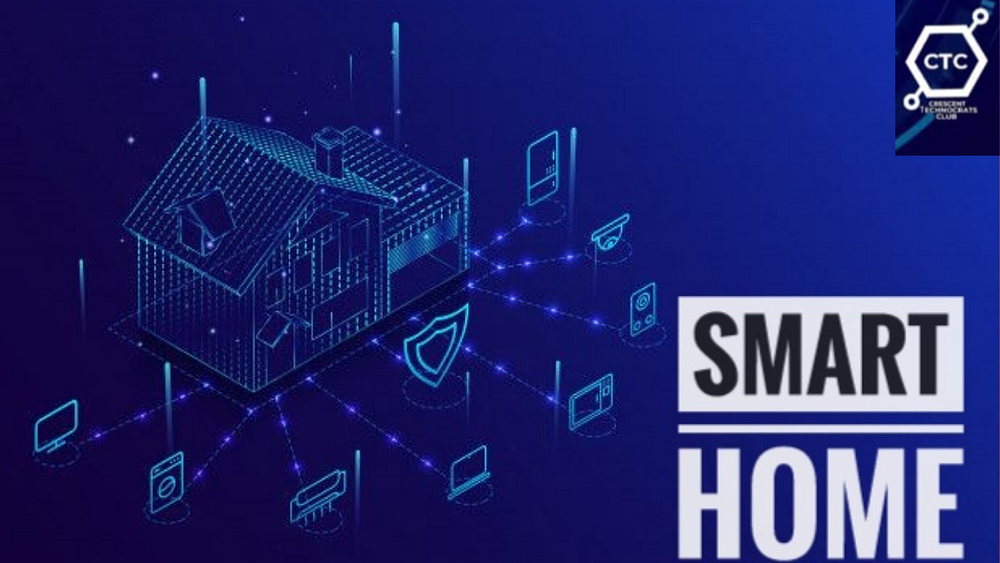
Typically, a home automation system links controlled devices to a central good home hub (also referred to as a gateway). Wall-mounted terminals, pill or desktop computers, a mobile application, or an internet interface that may be accessed off-site over the net are all choices for dominant the system. While there are varied competitive suppliers, ASCII text file solutions are becoming additional well-liked. However, there are drawbacks to home automation nowadays, such as the absence of standardized security measures and also the deprecation of older devices while not backward compatibility. Home automation encompasses loads of promise for sharing information amongst members of the family or trusty people for private security, and it may lead to energy-saving measures in the future.
How do Smart Homes Work?
Smart home technology is often put within the recently made homes. good technologies, on the other hand, are custom-made for older dwellings. whereas X10 and Insteon are still employed in several good home systems, Bluetooth and Wi-Fi have up in prominence. Two of the foremost wide used home automation communication protocols are Zigbee and Z-Wave. to attach good home systems, each utilizes mesh network technology and short-range, low-power radio waves. Despite the very fact that each target equivalent good home applications, Z-Wave features a variety of thirty meters against ten meters for Zigbee, and Zigbee is often perceived because of the additional sophistication of the 2. Z-Wave chips are entirely accessible from letter of the alphabet styles, however, Zigbee chips are accessible from a spread of companies.
Pros of Smart Home:
- One of the most widely stated advantages of home automation is that it gives homeowners peace of mind by allowing them to remotely monitor their homes and avoid dangers such as a forgotten coffee maker or an open front door.
- Consumers can also increase their efficiency by using home automation. Instead of leaving the air conditioning on all day, a smart home system may learn how people behave and ensure that the house is cool when they get home from work. The same may be said for appliances. The grass will only be watered when it is needed and with the exact amount of water required with a smart irrigation system. Energy, water, and other resources are used more efficiently with home automation, saving both natural resources and money for the benefit of the consumer
- Domotics is especially advantageous for the elderly, as they provide monitoring that allows seniors to stay at home comfortably and safely rather than having to move to a nursing facility or rely on 24-hour home care.
Benefits of having a Smart Home:
- Conserve energy.
- Make things easier for yourself.
- Security
- Taking care of home duties
- Entertainment
Smart Home Technology Examples:
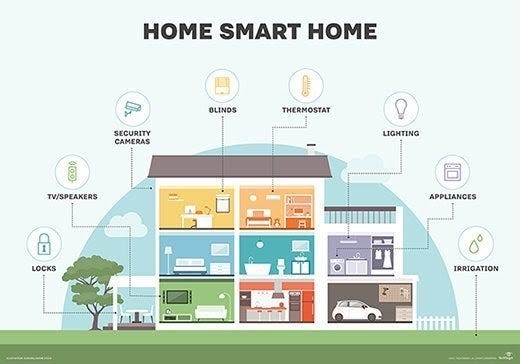
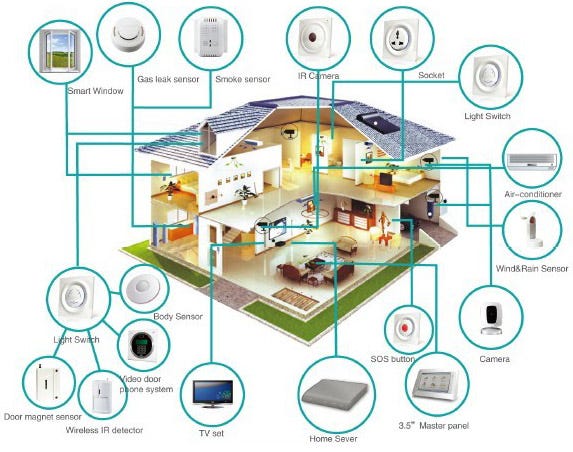
Smart TVs link to the internet and use apps to access content such as on-demand video and music.
Smart lighting systems, such as Philips Lighting Holding B.V.’s Hue, can detect when occupants are in the room and alter lighting as needed, in addition to being able to be controlled remotely and personalized.
Users can allow or restrict entrance to visitors using smart locks and garage door openers.
Smart coffee makers that prepare a fresh cup automatically at a predetermined time; smart refrigerators that keep track of expiration dates, produce shopping lists, and even create recipes based on ingredients are all available currently on hand Slow cookers and toasters are currently available, as are washing machines and dryers in the laundry area.
The study finds that smart homes will play a critical role in designing the cities of the future. Finally, the report finds a research gap, showing that insufficient thought has been given to integrating smart houses’ core potentials to the overall performance and important indicators of smart cities.
In just a few years, the IoT device industry has changed dramatically. Starting with disjointed devices and no ecosystems, the industry has evolved to include enterprise companies collaborating to create ecosystems customized for mobile technologies, allowing IoT devices to be connected.
Home automation may have appeared strange and improbable at first, but as our devices become smarter and more money is invested in the creation of IoT consumer items, it is becoming a reality. Increased rivalry is expected to encourage more innovation in the industry.
Good one 💫
ReplyDeleteSmart write-up. Very good
ReplyDelete